Change is invisible at every instant and undeniable in total.
I work in capture, fabrication and light. The films are built by hand, photographed, and returned to a room as light — analogue to digital and back again. The work lives inside that loop, and in the intervals the loop cannot record.
A single frame contains no motion. There is no moment you can point to where anything moved. The change exists only in accumulation, and only in retrospect. That is also how the most consequential things tend to happen to people, and it is why they are so difficult to describe afterward.
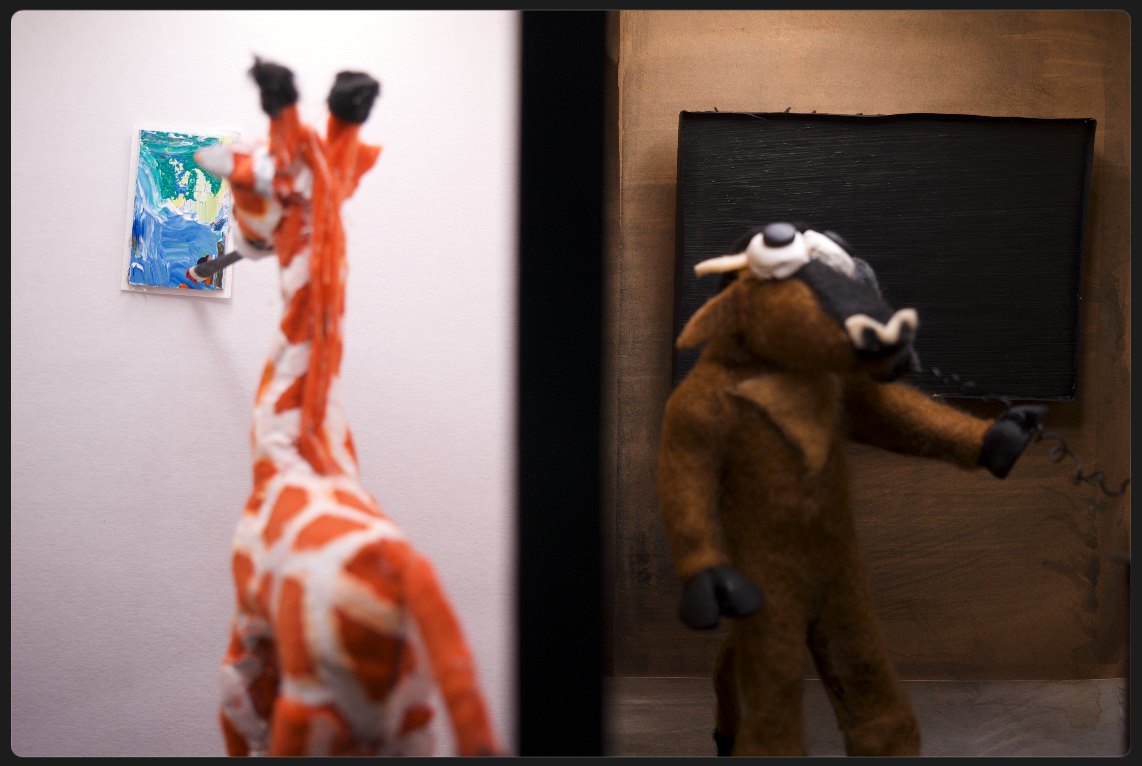
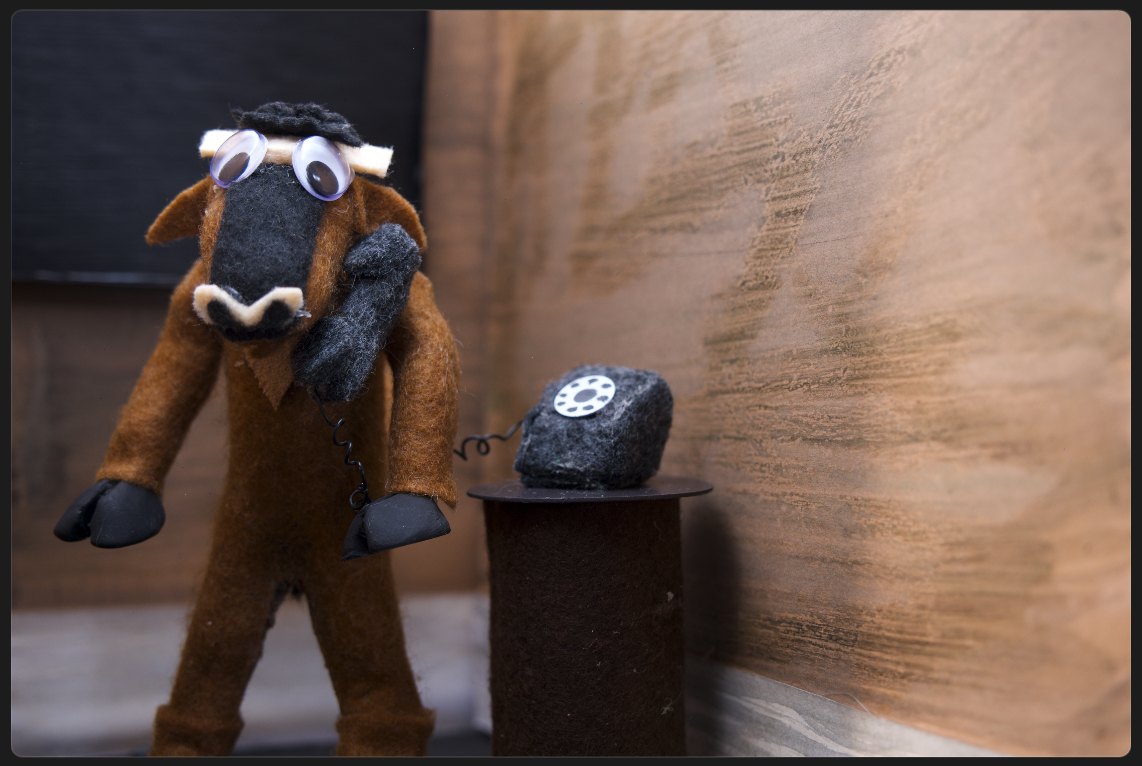
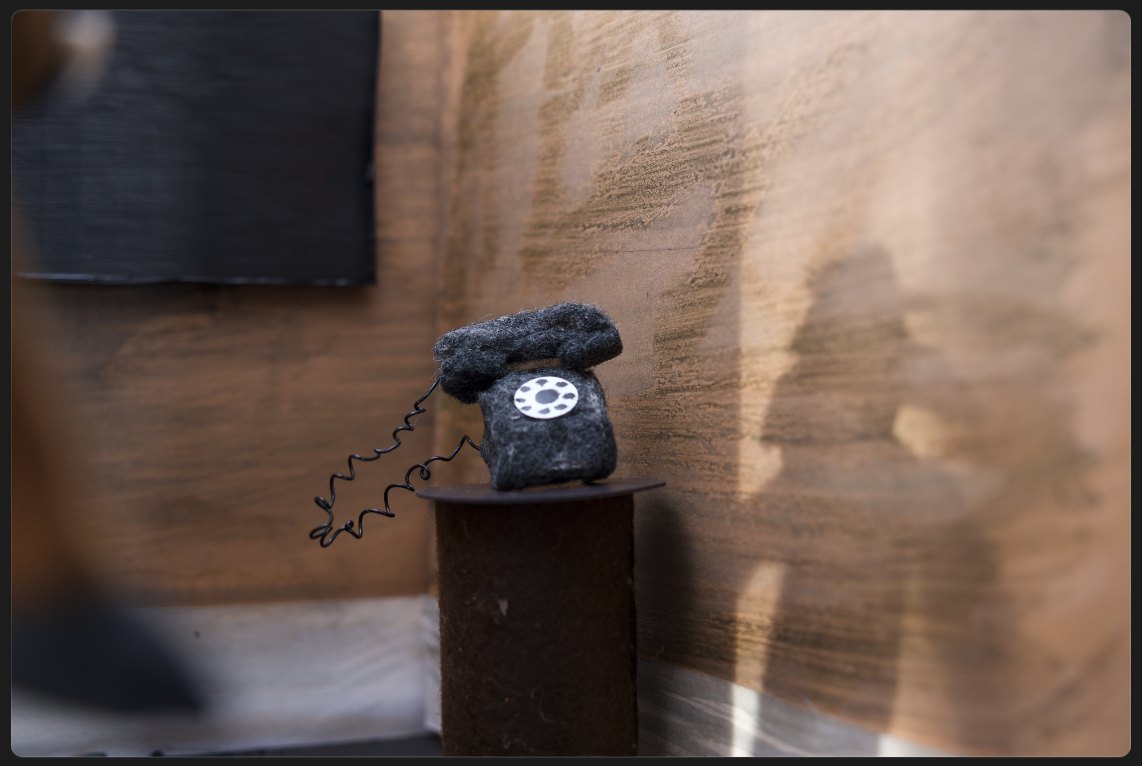
In the films, nothing is photographed that was not first built — sculpture, moldmaking, armature and metalwork, carpentry, scenic painting, textiles at miniature scale, practical lighting and circuitry, cinematography, and the animation itself. An entire manufactured world standing in front of a lens. The photographs invert the method: the world is already there, and what I bring to it is position.
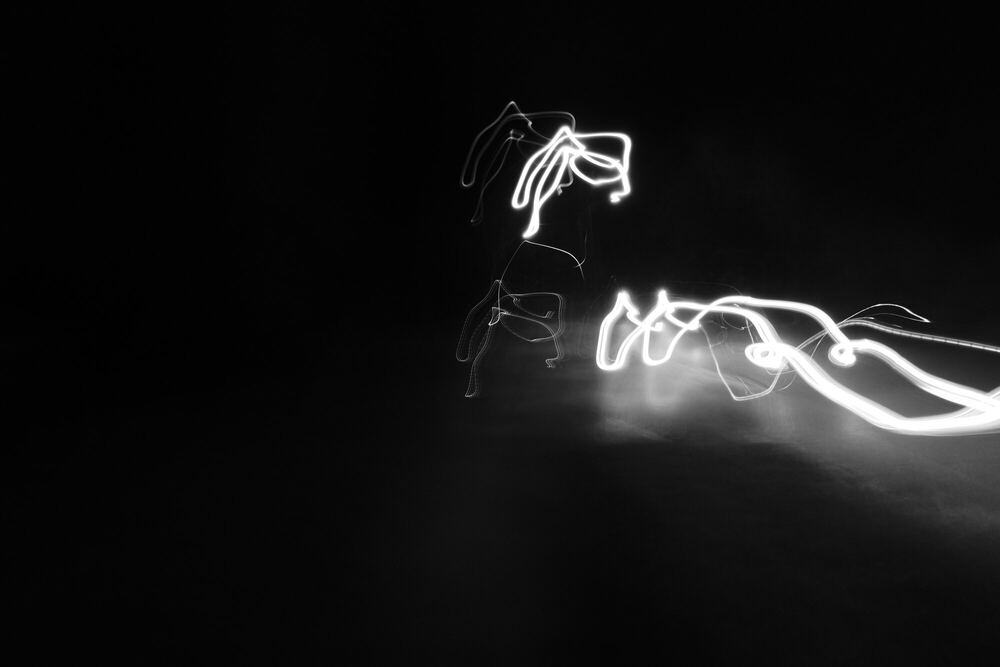
Capture is sampling. A continuous world is taken as discrete frames, and everything that happens between two of them is lost. That interval is where I work. The change I am interested in falls precisely into the gap the medium cannot record, which is why no one can point to where it happened, and why every account of it can be honest and still incompatible with the others.
My work is about perspective — what a person can see from where they are standing, and what that position costs them. I am interested in harm with no locatable moment: damage distributed so evenly across time that every individual instance is innocent and the sum is not. In that structure every account is honest. The person who saw nothing is telling the truth. The person it happened to sounds unreliable. Both are correct, and neither can prove it.
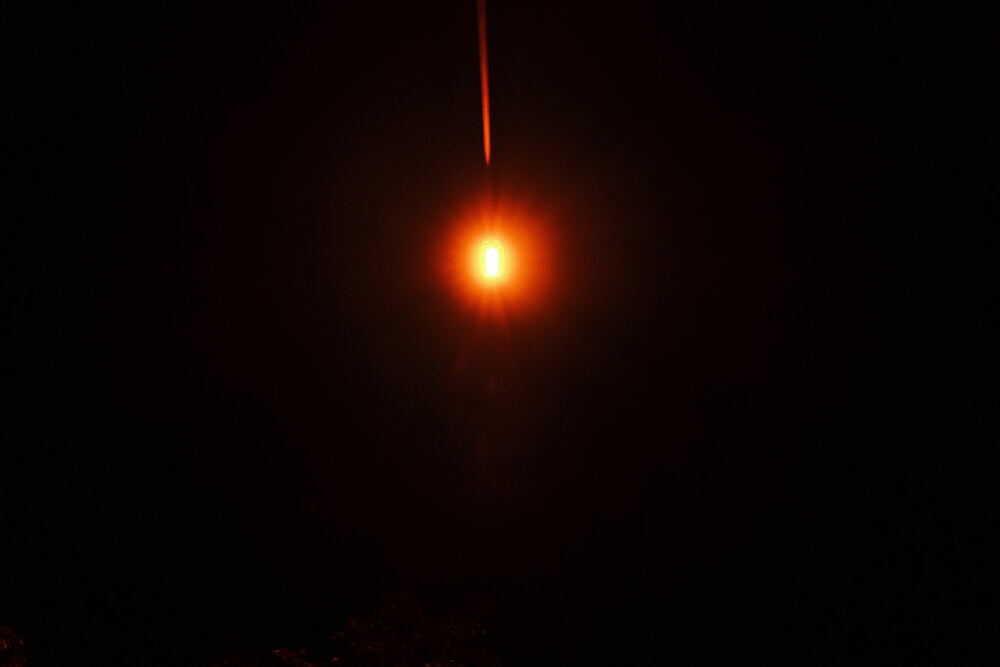
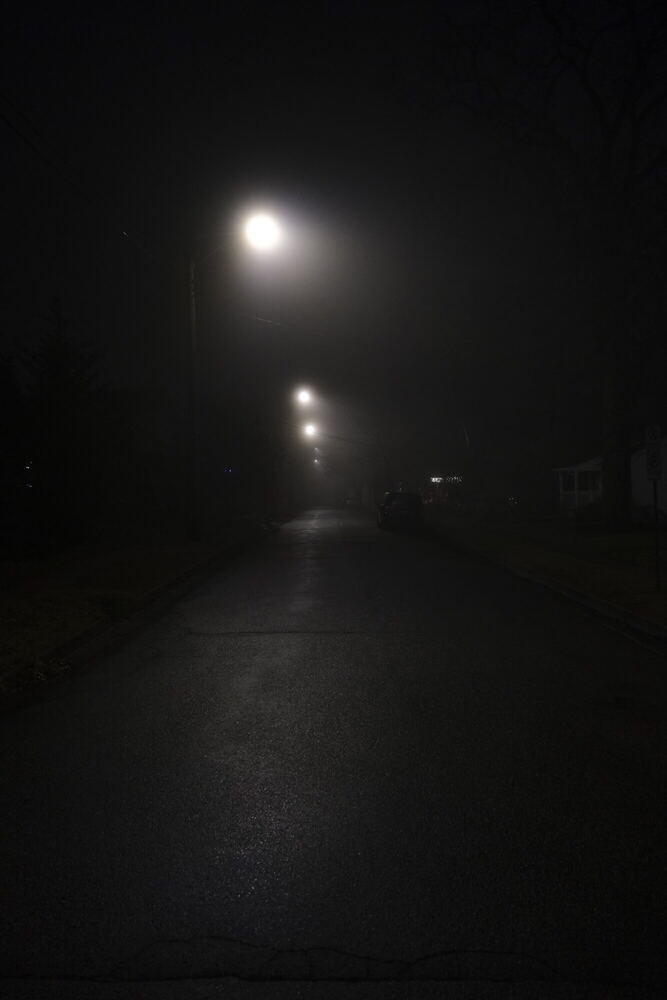
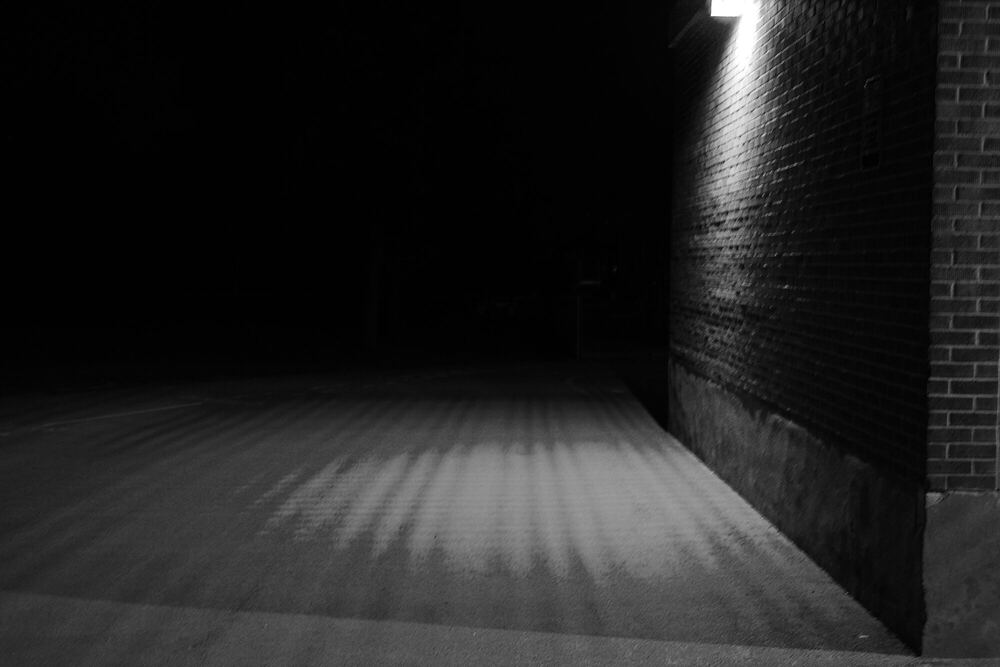
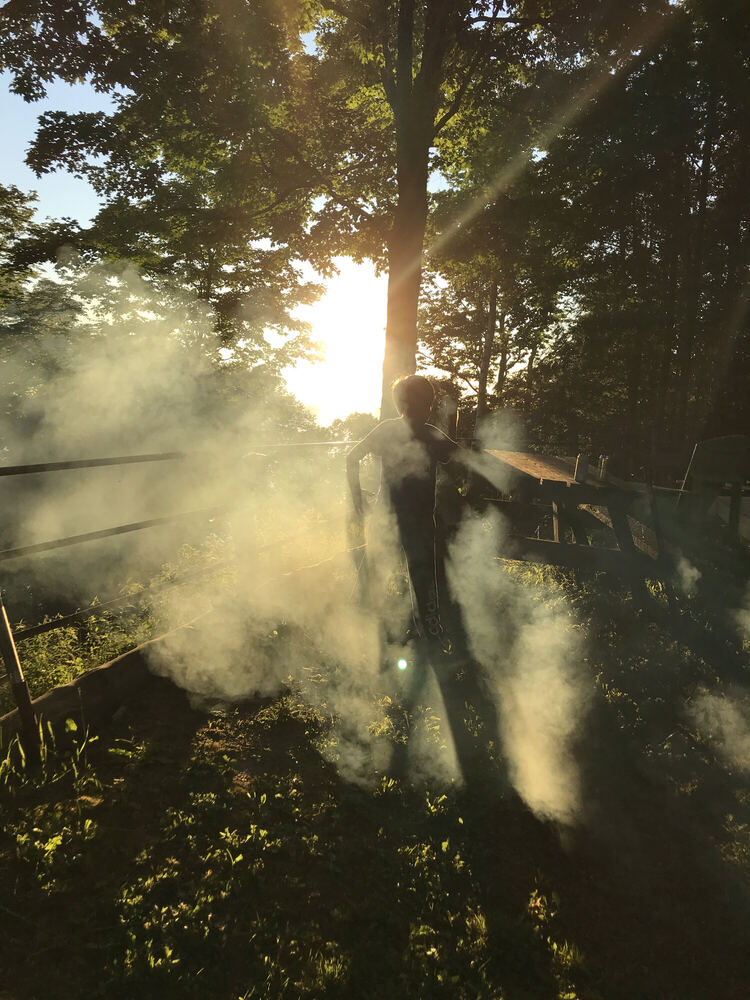
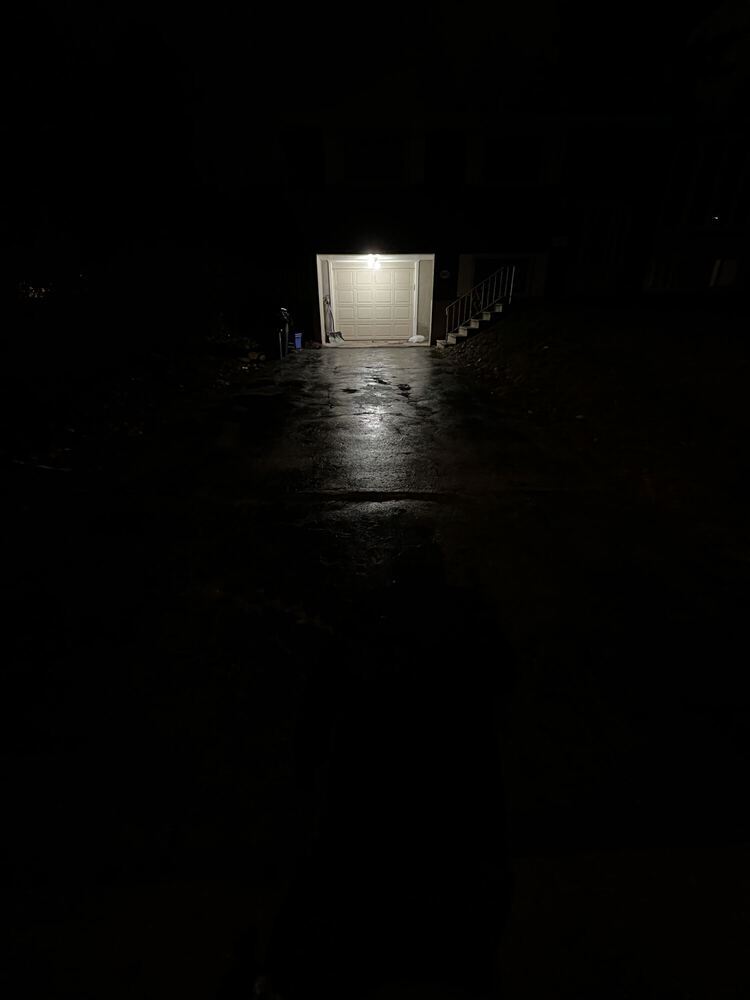
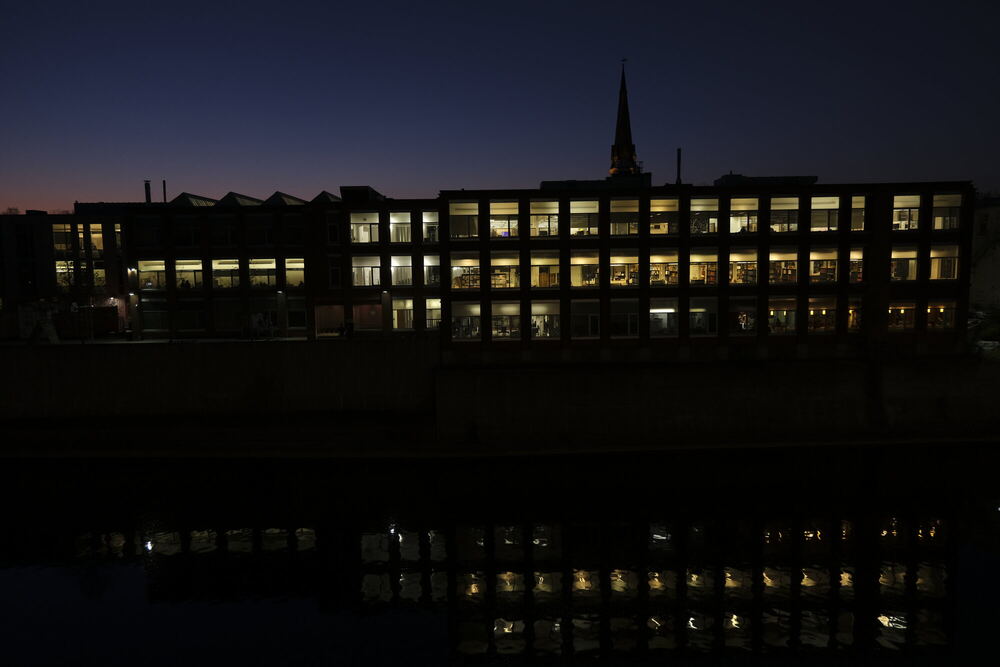
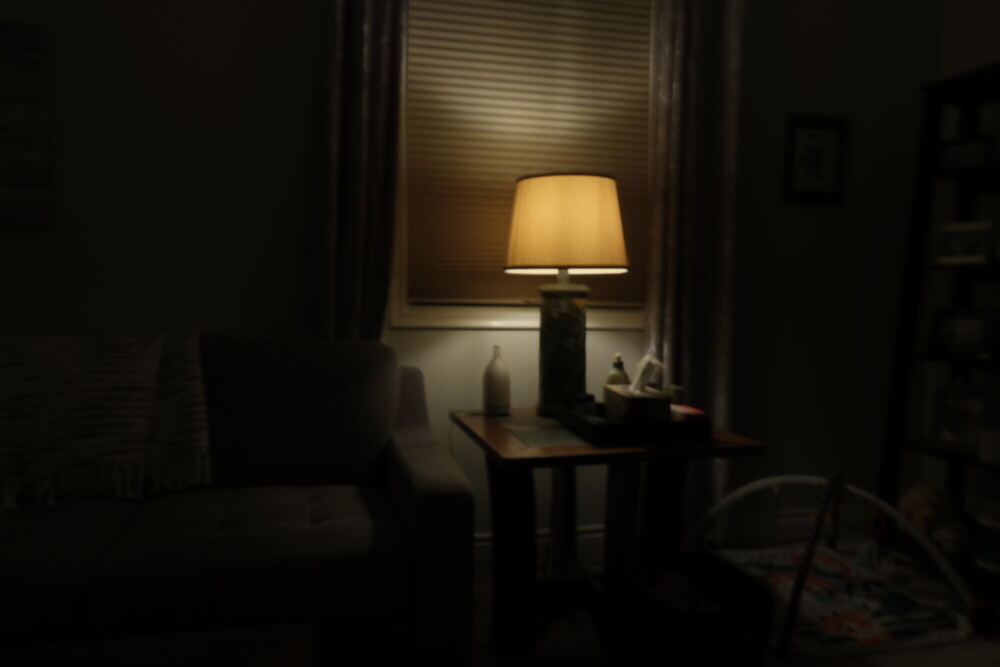
I build with light, because light is the clearest available model for this. One source produces both the warm circle and the dark around it — not as metaphor but as physics. The thing that gathers people is the same thing that excludes. And there are two ways to stop someone from being seen: leave them in the dark, or aim so much light at them that they cannot see anything else. The eye closes either way.
I am drawn to the vocabulary that accompanies these procedures. Warm words performing cold work. Concern. Care. Pruning, which is done for the health of the tree, in winter, by someone who is good at their job.